- hindi news
- opinion
- Energy Crisis Lessons: Will Leaders Remember Simplicity Post Crisis?
3 days ago
- copy link
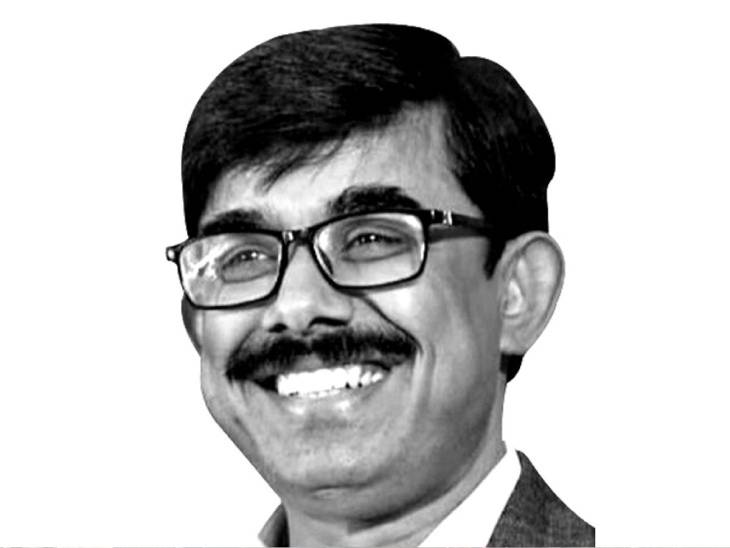
Nanditesh Nilay Speaker, Ethics Trainer and Author
Amid the energy crisis, leaders from various sectors in the country were seen abandoning their big cars and their convoys and riding bicycles or public transport. There was a period during the 1970s when, amid the oil crisis, there was a change in the transportation system in many countries of the world.
Cycle-lanes were then expanded in the Netherlands, Denmark and many countries in Europe and priority was given to public transport. In India too, the Prime Minister has now urged citizens to reduce the use of petrol and diesel, use metro and buses or ride bicycles.
But is this change only for a short period of time or will it also become the transportation behavior of this country in the future? This VIP culture and the convoys of vehicles running around raising dust, will their speed be able to slow down? After all, we have to admit that all those people who used to travel in big vehicles till now, have no qualms in using public transport nor in leaving their private jets and flying regularly. How satisfying it would be if special people could also travel from home to office like ordinary people and they would not have any sense of exclusivity.
But the day the war stops, the day Hormuz bids farewell to the ships, will the means of travel still remain the same as bicycles and public transport? Will ‘austerity’ not only become an aspect of immediate change, but will it also become a way of life?
Austerity is understood in two senses – first in the sense of lifestyle and second in the sense of economic policy. Austerity as a lifestyle in Hindi means qualities like simplicity, austerity, restraint and harshness. That means living a simple life by giving up material pleasures, unnecessary expenses and excessive comfort.
If we look at it in the economic context, austerity means that expenditure should be reduced and there should be scope for reduction in the expenditure that is being incurred. But which meaning of austerity will remain relevant in society after the war ends? Will we try to live life simply and avoid excessive material pleasures and expenses in our habits?
Well, any crisis creates scope for positive change. At the time of Covid, we realized how the consumer-turned-individual was trying to maintain himself with frugality, which was not only guided by simplicity and restraint, but was also far away from any kind of economic attraction. There was a will to live and living was considered an adventure. During that period, he kept listening to all kinds of influencers day and night and also kept motivating himself. Cars remained parked in the garage and if something moved occasionally, it was a bicycle wheel.
Today again, this is an opportunity for every person in our country to surround themselves with that frugality in the future also. Because it is said that every cloud has a silver lining. What an amazing scene it will be, when even after the oil crisis ends, leaders will be seen commuting like common people by public transport or by bicycle. Even the chairman of a big company will sometimes be seen sitting in the metro. It would also be satisfying to see that the society that seeks power in resources would be finding real power in a simple lifestyle. (These are the author’s own views)