In six decades of advising CEOs and boards of directors around the world, I have consistently observed one characteristic that separates great leaders from good leaders. That is not intelligence. There is no strategy. That’s not just experience either. That is-confidence. No ego. No showy courage. Self-confidence. Confidence is a state of our ‘being’. It arises from a deep understanding of one’s own capabilities and a clear recognition of the environment in which the individual operates. This is the confidence that comes from clearly knowing your strengths and honestly accepting your limitations. And the most important thing here is that your limitations should not become a barrier in your path. They should inspire you to move forward. Many leaders mistake confidence for certainty. Both are not the same. Certainty says: I know exactly what is going to happen. Confidence says: I don’t know exactly what is going to happen, but I am confident that I have the ability to face it and handle it. This distinction is extremely important in today’s world. There are three things that build real confidence. First, knowledge and expertise. When you truly understand your field with depth and specificity, you don’t need to project confidence. It is naturally present. Preparation is the foundation of self-assurance. A leader who has worked hard does not need to show off. Second, experience and the lessons learned from it. Every challenge you face, every setback you endure, every decision you make under pressure—it all strengthens your foundation. The nature of self-confidence of a person who has faced difficulties and moved ahead is completely different from that of a person who has seen only comfortable situations. Don’t let your difficult moments go in vain. Learn something for yourself from them too. Third, self-awareness. Know what you are good at. Also know in which areas you need others. A leader who pretends that he has no weaknesses is not able to deceive anyone, but he himself is also unable to learn anything. The leader who clearly sees both his strengths and limitations has the most lasting self-confidence. Remember one more thing: self-confidence is not static, but dynamic. This is the thing that many people do not understand. Self-confidence is not something that, once achieved, can be kept forever. It is dynamic. It has to constantly evolve with you. The speed at which the world is changing has no example in history. New technologies, new geopolitical realities and new business models are constantly emerging. Today’s confident leader has to be prepared to forget the work he used to do yesterday; To be able to assimilate what is true today; And develop your capacity for what will be required tomorrow. This means that confidence has to be continually renewed – through constant learning, honest introspection, and the courage to say: I was wrong and now I understand. When a leader walks into a room with genuine confidence, something changes. The team realizes this. Decisions become more clear. The risk starts to seem manageable. Innovation becomes possible. A confident leader does not suppress the confidence of others; Increases it. Ask yourself three questions every evening. What did I do well today? What did I learn today? And what could I have done differently? This simple habit, if adopted consistently, builds the self-awareness that is the foundation of real self-confidence. It is neither dramatic, nor complicated. But if pursued with honesty and consistency, it changes both the way you see yourself and the way others see you. Confidence is not static, but dynamic. Many people are not able to understand this. This is not something that, once achieved, can be kept close to you forever. It has to constantly evolve with you. (These are the author’s own views)
Source link
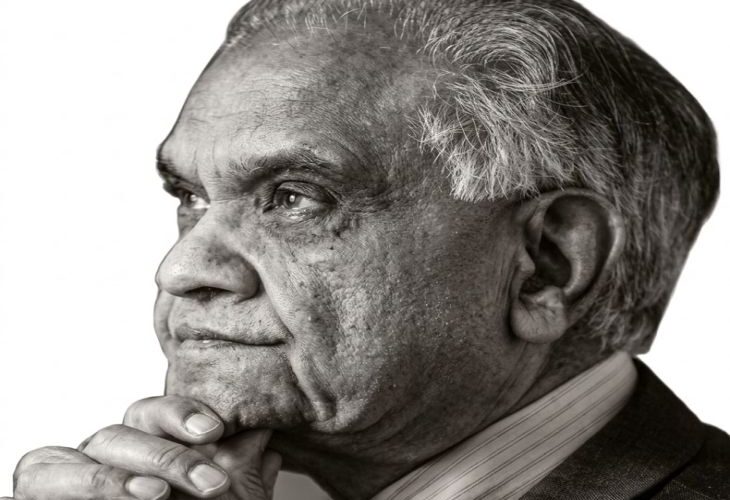
Dr. Ram Charan’s column: Self-confidence is important but it also has to be continuously ‘renewed’.