- hindi news
- opinion
- Syed Ata Hasnain Column: War Strategy Changes | Land Occupation Less Important
4 days ago
- copy link
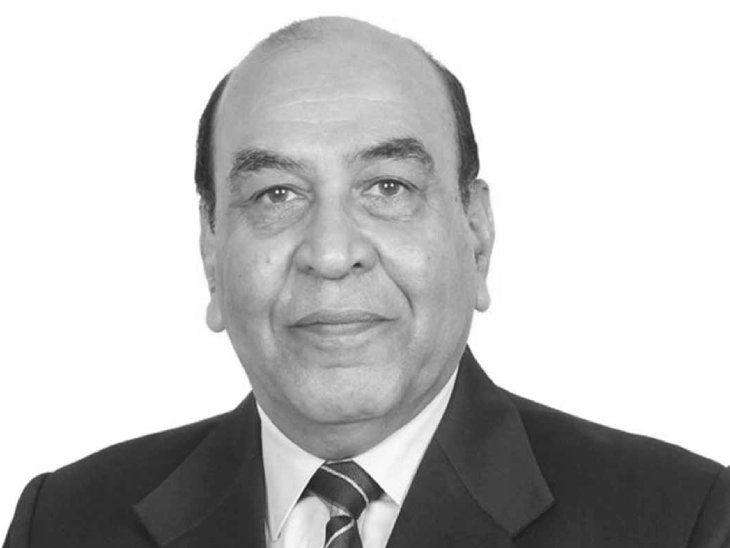
Syed Ata Hasnain Governor of Bihar and former Commander of Kashmir Corps
The nature of wars is changing. Control over territory is still important, but countries now prefer to achieve desired strategic outcomes through reach, pressure and influence rather than maintaining long-term occupation of territory. Whereas in history, military success directly meant capture of the concerned area.
Armies seized land, controlled capitals, and imposed political consequences. From Roman conflicts to world wars, land was both the goal and the measure of victory. The simple logic behind this was that if one wanted to dominate a state or its people, one would have to control its land, resources and institutions. Geographic distance was a strategic obstacle, because as it increased the influence of military power decreased.
But in today’s conflicts, countries are trying to achieve strategic results without capturing land. Through long-range precision strikes, drones, cyber operations, economic pressure, proxy warfare, and information campaigns, adversaries seek to dictate outcomes while avoiding long-term occupation responsibilities.
The objectives are the same, but the methods are changing. One reason for this is the economic gains and losses associated with land occupation. The experiences of the Soviet Union in Afghanistan and the US in Iraq and Afghanistan show that military superiority does not automatically translate into durable political control. Modern armies can capture an area very quickly, but it is much more difficult to administer that area amidst stiff resistance.
Occupying a territory today means attracting international surveillance, constant media coverage and prolonged resistance. Its financial and political cost is very high. In such a situation, military success may not be the end of any army campaign, but the beginning of a huge strategic burden. 21st century conflicts have shown time and again that capturing territory and controlling outcomes are no longer the same thing.
Along with this, technology has greatly increased the ability to project power to remote areas. Precision strike munitions, long-range missiles, drones, cyber capabilities, satellite surveillance and AI have provided countries with opportunities to influence events far beyond their borders, without deploying large forces on the ground.
They can remotely disrupt another location’s infrastructure and weaken military capabilities. In many cases the goal is no longer victory but pressure – that is, influencing the opponent’s policy decisions rather than taking over an area and taking over its administration.
The war in Ukraine illustrates the importance of critical strikes with precision. Both sides target military, industrial and energy structures located hundreds of kilometers from the front. They try to achieve strategic results through their reach rather than through display of skill on the battlefield. Despite intense military confrontations in the Israel-Iran war, neither side appeared to be trying to capture ground. This conflict revolves around the ability to deter, exert strategic influence, and cause harm from afar.
Deploying troops in foreign territory and maintaining it for long periods of time has become a form of war that is extremely costly, politically sensitive and militarily risky. Such operations require massive logistical support and long-term political commitment.
Smaller and relatively weaker rivals know this reality. As soon as a powerful country’s troops land, they are at risk of loss, attack, political pressure, and strategic fatigue. That’s why military planners constantly look for alternative solutions.
Whichever side can better see, hear, and understand its opponent’s movements gains a significant advantage without risking the lives of large numbers of troops. Intelligence, surveillance and precision strikes are now tools that rival the ground presence of armies.
Occupying an area today means attracting surveillance and prolonged resistance. it costs a lot. In such a situation, military success can become not the end of a campaign but the beginning of a huge strategic burden. (These are the author’s own views)