- hindi news
- opinion
- Syed Ata Hasnain Column | India Act East Policy 2.0 Strategy & PM Modi
13 hours ago
- copy link
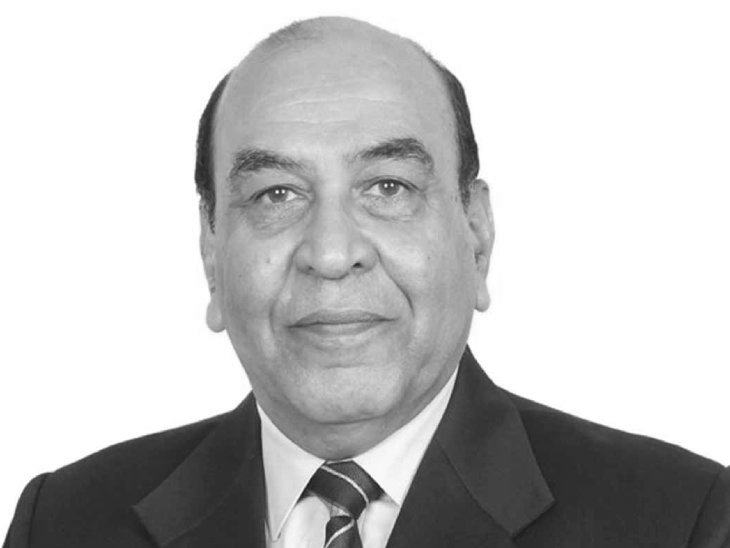
Syed Ata Hasnain Governor of Bihar and former Commander of Kashmir Corps
Prime Minister Narendra Modi’s recent visit to Indonesia, Australia and New Zealand should signal the beginning of a strategic shift that can be termed as Act-East 2.0. This is a change that reflects a greater emphasis on playing a role in shaping the Indo-Pacific region.
India’s strategic focus over the past few years has naturally shifted towards other areas. The conflict in Ukraine, instability in West Asia, Pakistan-sponsored terrorism and the ongoing security challenges on the northern borders have consumed a large part of India’s diplomatic energy. But no country aspiring to shape the international order can allow a constellation of crises to permanently dominate its strategic thinking. Emerging powers also have to prepare for future opportunities.
Therefore, this diplomatic campaign of the Prime Minister towards eastern countries is also a medium to give a strategic message. Countries signal their priorities not only through official announcements, but also by the countries to which their highest-level diplomatic visits take place. The message is clear – India is once again looking east with a clear purpose.
The original Act-East policy guided India’s engagement with East and South-East Asia through connectivity, trade, institutional partnerships and relations with ASEAN countries. This policy recognized that India’s prosperity was inseparable from the dynamism of the region. It served its purpose successfully. But today there has been a massive change in the scenario.
The Indo-Pacific region has now emerged as the major geopolitical axis of the world. Maritime security, resilient supply chains, critical technologies, undersea infrastructure, energy supplies now affect the global balance of power as much as military capability. Economic diplomacy and security can no longer be seen separately. If the first phase of Act-East connected India to East Asia, the second phase should aim to contribute to shaping the strategic landscape of the Indo-Pacific.
India’s eastern interests should no longer depend on the momentum of the Quad. The grouping remains an important forum for cooperation, but it is neither a military alliance nor the sole means of pursuing India’s strategy in the Indo-Pacific region. At a time when the US appears to be more focused on its bilateral competition with China and especially on the issue of Taiwan and there appears to be relatively less political emphasis on the Quad, India will have to pursue its Look East strategy independently. This means strengthening bilateral partnerships with Japan and Australia and placing ASEAN at the center of Act-East 2.0.
The changing regional scenario also demands India’s more active participation. Although the US remains the dominant military power in the Indo-Pacific region, many countries in Southeast Asia feel that its political focus has now become more selective. China has steadily expanded its influence through economic integration, infrastructure development, maritime presence, and sustained diplomatic efforts. The bulk of this expansion occurs in the gray zone, which remains below the threshold of open conflict but which has long-term strategic consequences.
The time has come that we should properly combine strategic confidence with strategic capability. India’s growing partnerships with the Philippines and Indonesia – including defense exports – indicate that defense partnerships have also become an important instrument of diplomacy. Projects like the development of Great Nicobar should also be seen in this context. They are not just infrastructure projects, but symbols of India’s emergence as a maritime power.
The Indo-Pacific region will define the strategic balance of power of the 21st century. India is now ready to play a role in shaping the future of the region. Act-East 2.0 policy states that India’s strategic horizon is now shifting towards the East.
(These are the author’s own views)