- hindi news
- opinion
- Shivya Nath Column | Kerala Responsible Tourism Model Environment Culture
21 hours ago
- copy link

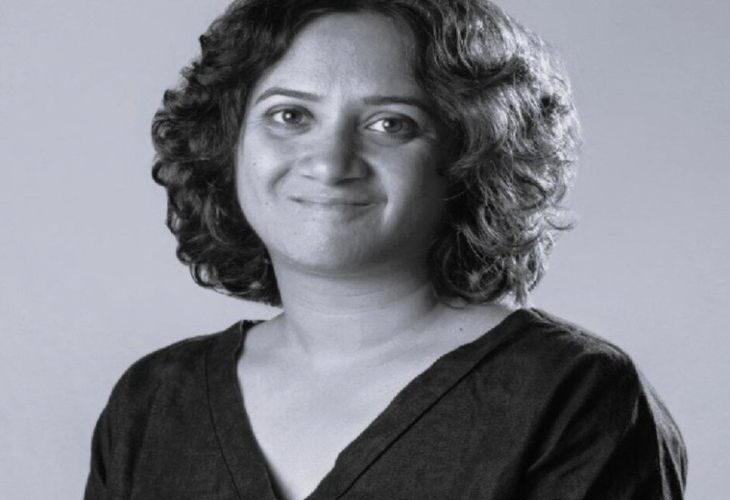
Shivya Nath Travel blogger and bestselling author of ‘Rootless and Restless’
I have been constantly thinking about Kerala. It seemed as if I was engrossed in the enchanting beauty of that rich land of South India. Cycling through fields of bright yellow marigold flowers, walking through the mist-shrouded Western Ghats, tasting delicious vegetarian food served on banana leaves and hearing countless stories of kindness, humility, entrepreneurship and human sensitivity from the people I met during the journey – all these experiences remain fresh in my memory.
It was only after my trip to Kerala that I came to the conclusion that responsible tourism would become more important than ever. Kerala was the first state in India to launch the Responsible-Tourism Mission. Its clear objective was to develop better places to visit for tourists and better places to live for the local people.
Tourism projects generally focus on the first objective – creating infrastructure for tourists. The result of this thinking is that roads are built through the forests and the burden of concrete increases on the tourist places situated on the mountains.
Many times officials make it their priority to fulfill the demands of tourists, no matter how much damage it may cause to the local environment or culture. In the dry mountain desert of Ladakh, flush toilets are promoted in place of age-old dry compost toilets. Due to such trends across the country, tourism often becomes a hindrance to local life instead of improving it.
But during my trip to Kerala, I also understood the other side of this idea. I met several small entrepreneurs and women self-help groups who were trained in business skills by the Kerala Responsible Tourism Mission under its various programmes.
These activities included initiatives like making papadum, preparing recycled candles and stitching cloth bags as an alternative to plastic bags. Vocational training is provided in many states of India, but such programs are often not successful due to lack of employment opportunities.
The basis of Kerala’s success was linking these skills with tourism. By connecting entrepreneurs with hotels, resorts and homestays, relationships were established that provided stability to their livelihoods.
Many of the entrepreneurs I met have been successful in expanding their businesses and improving their quality of life. At the same time, regular supply of eco-conscious products has started being made available locally to prepare accommodation related to responsible tourism. This has led to the development of a model that creates a better destination for tourists and a better living environment for the local people.
While traveling along the Neela River in Kerala, we spent time with many artisans who are single-handedly keeping their traditional crafts alive. We learned about his life, asked him lots of curious questions, and documented his work. The experience of understanding their craft and tradition was extremely valuable in itself.
I was further inspired to learn about a visionary initiative of the Forest Department at the Periyar Tiger Reserve in Thekkady, located in central Kerala. The Mannan tribe had lived in this forest for centuries along with tigers, leopards and other wildlife.
They mainly depended on the resources available from the forest. When they were resettled in the buffer zone of the forest, their livelihood opportunities were greatly reduced. After this, community tourism initiatives were started, the aim of which was to develop alternative means of livelihood for them. Since they were familiar with these forests since birth, they were given basic tourism training to become guides, members of bamboo rafting teams and part of anti-poaching squads.
The use of traditional knowledge of local communities has proven to strengthen wildlife conservation, create livelihood opportunities and give travelers the opportunity to understand the forest in greater depth through guided walks and treks. This is a model which should be adopted in other tribal areas of India also.
Roads are built through the forests and the burden of concrete increases on the tourist places situated on the mountains. Many times officials make it their priority to fulfill the demands of tourists, no matter how much damage it may cause to the local environment or culture. (These are the author’s own views)