The whole world is fighting a battle against climate change. There has been no dearth of goals and commitments in this struggle. But ultimately people judge progress based on what they experience in their daily lives. And the impacts of climate action are most visible in the world’s cities. Cities are beginning to understand that measures to reduce greenhouse gas emissions and increase resilience to climate challenges also improve people’s daily lives. Energy-efficient homes reduce electricity bills. Renewable energy reduces dependence on imported fuels and the difficulties arising from rising oil and gas prices. Better public transportation and safe bicycle infrastructure provide people with more affordable and healthier options for commuting. Trees and green belts improve air quality, keep areas cooler and make cities more pleasant to live in. But this is not the only purpose of climate action. It is also an effort to protect people from the already obvious effects of a warming Earth. Heat waves, floods, droughts and extreme-weather events are becoming increasingly more intense. Cities and their residents are the first to face these challenges. This is why adaptation measures will also have to be taken forward to face climate change. Local leaders around the world are making efforts to adapt schools, hospitals, nursing homes and public spaces to protect citizens from extreme heat and other climate risks. Shade systems, green roofs and natural cooling systems can increase the resilience of cities to rising temperatures, with children, the elderly and other vulnerable groups benefiting most. Today, greenhouse gas emissions have declined in many of the world’s largest cities, while their populations have continued to grow. Additionally, cities across the spectrum are collaborating to build on the progress they have made to varying degrees. Over the past decade, the Global Covenant of Mayors for Climate and Energy (GCOM) has grown into a coalition of more than 14,000 cities and local governments in 150 countries, representing more than a billion people. It also includes 29 cities of India and the newest member is Thiruvananthapuram. Many of its member cities have adopted more ambitious climate targets than their governments and are moving towards achieving them more rapidly. However, if they get more support they can work faster and on a larger scale. They urgently need access to technical expertise and funding. Many local bodies still do not have enough resources to identify, develop and implement climate projects. These needs can be met through partnership. The City Climate Finance Gap Fund – supported by GCOM and the World Bank – is already supporting cities to develop projects that can attract investment and benefit populations. Over the past few years it has helped more than 1,400 cities turn climate ambitions into practical action. National governments are now increasingly recognizing the potential of cities to tackle climate change. But this should be considered only the beginning. The most successful climate policies are those whose impact people can see and feel in their everyday lives: cleaner air, safer roads, lower electricity bills, healthier homes and better protection from extreme weather. The most successful climate policies are those whose impact people can see and feel in their everyday lives: cleaner air, safer roads, lower electricity bills, healthier homes and better protection from extreme weather. (@ProjectSyndicate)
Source link
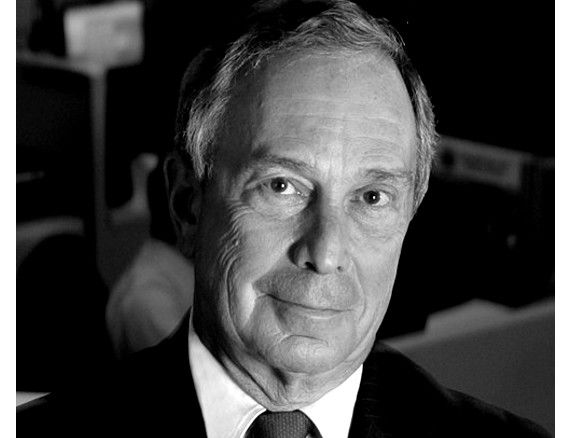
Michael Bloomberg’s column: Cities of the world can fight climate change together