- hindi news
- Opinion
- Pavan K. Varma’s Column: In Our Country, ‘Gross Domestic Happiness’ Is No Less Significant
2 hours ago
- copy link
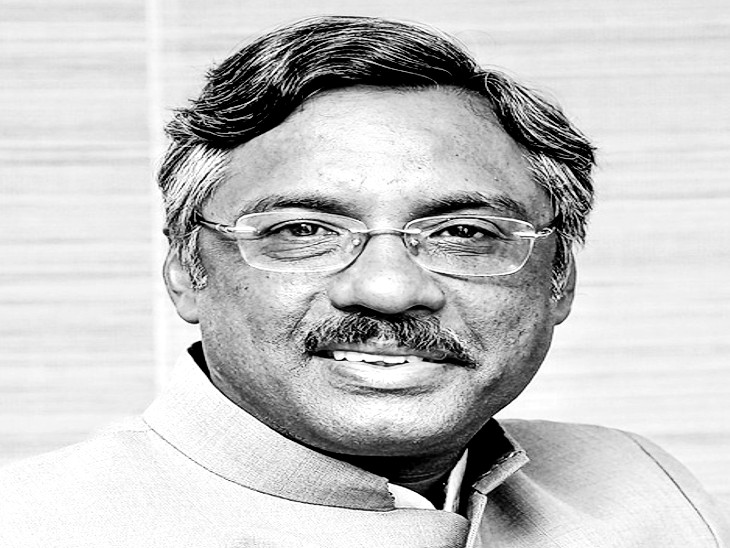
Pawan K. Verma, former Rajya Sabha MP and diplomat
Bhutan – where I served as Ambassador – is credited with coining the term ‘GDH’ (Gross Domestic Happiness) instead of GDP. The GDH is really high in this beautiful country nestled in the lap of the Himalayas. But it is no less in India also. This is a reality that sociologists and visitors can clearly see.
How is it possible that a country – where common people face terrible challenges every day – also radiates such immense happiness? How is it possible that even in the streets full of poverty, sounds of laughter are heard, that even in homes with limited resources, hospitality is provided without any stinginess; And despite setbacks disappointment rarely prevails?
To understand India’s ‘Happiness Quotient’, we have to go beyond parameters like income and infrastructure and enter into the fabric of our civilizational consciousness. At the center of Indian satisfaction is the institution called family. The joint family system may be declining in urban India, but it still remains a central institution.
A child here does not grow up as an isolated individual, but amidst a living constellation of relationships – grandparents, cousins, uncles-aunts, maternal uncles, etc. Each of these gives him affection, discipline and consistency. This network of relationships serves as emotional solace in times of adversity. Here one does not fall alone; He is held.
The same sentiment extends to the community, where social life is rarely fragmented. Loneliness has been called an epidemic in the West. But in India, solitude is a luxury that is available to very few – and many do not even desire it. Consider our calendar a masterclass of institutional bliss.
From the riotous colors of Holi to the luminous nights of Diwali, from the harvest festival of Pongal to the community feast of Eid-ul-Fitr – the entire year is filled with reminders that life should be lived together as a celebration. Even the rituals of birth, upanayana, marriage etc. become opportunities for collective participation in our society. Indian talent for even small pleasures is evident.
Evening tea at a roadside shop; Lively debates on cricket; Sudden bursts of laughter in crowded trains or chawls; The ritual of watching a favorite TV series with the family – these are simple, frugal, but deeply satisfying rituals of intimacy. Another important reason for this is the existence of hope in our lives. Even on the trucks plying on the highways, such lines are often found written: ‘Milega Muqaddar’.
The feeling that suddenly some divine boon may come from nowhere, some guru’s blessing may work, some religious charity may bear fruit or some ritual may perform a miracle – never disappears from the Indian mind. ‘Turn of fate’ or ‘change of fate’ are not just popular idioms here, but also matters of faith. Hindu myths are replete with stories of huts turning into palaces and ordinary metals turning into gold.
I remember what my elders said: ‘Who knows in what guise God may meet us.’ One of our great strengths is our philosophical nature. The theory of karma – often called fatalism – is an invitation to equanimity in our lived experience. It indicates that life operates in accordance with a cosmic moral order.
It is necessary to make efforts, but the results are not under the control of man. Geeta’s advice to give up attachment to fruits and perform one’s duty has been deeply ingrained in our cultural consciousness. Centuries of invasions, colonial exploitation, partition and long-term economic hardships have left a collective memory of survival deeply ingrained within us. To endure is nothing extraordinary here; It is a natural tendency.
From this tolerance is born a steady sense of humor – the ability to laugh at one’s own plight. The world is essentially illusory – this belief does not reduce the joy of material achievements, but in times of adversity it does provide a shield of philosophical acceptance of failure.
- The Indian talent for small pleasures is evident. Tea at a roadside shop; Debates on cricket; The laughter that erupts in crowded trains – all these are simple, economical, but deeply satisfying rituals of intimacy.
(These are the author’s own views)