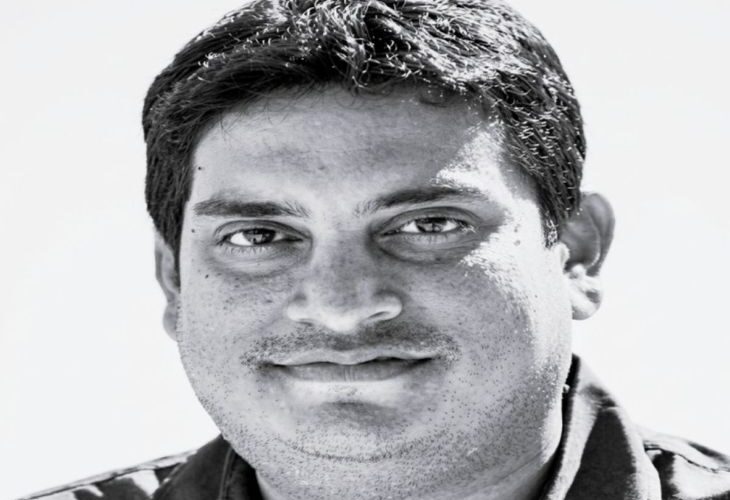
The Indian team may not be playing in the Football World Cup, but from volunteers to journalists, India has a presence in the tournament. Take the example of 75-year-old Om Mundra from Nagpur. This is his seventh World Cup and he is volunteering in New York to help fans experience the excitement of the competition. Ask him about this and you will get a knowing smile. They’ll say, I love sports and I want to be a part of the excitement. Om Mundra is not alone. There are many people who saved money for years just so that they could travel to America to watch the World Cup. A couple who saved for two years and came to watch the World Cup told me, everything is very expensive here. A match-day experience will cost around Rs 30,000, including basic transport and food. It is worth Rs. Still we are trying our best to watch as many matches as possible. If we see, the presence of all these Indians in America is a story in itself. This is proof of our soft-power. This is India’s reach to the world. Despite our team not being there, our fans and volunteers have added Indian flavor to the World Cup. This is not limited to just media and volunteers. Wherever you look in America, you will see Indian influence. Whichever stadium you go to, you will hear many people speaking Hindi or Bengali. In fact, Indian fans constitute 2 to 3% of the people who came to America for the World Cup. In Kansas City – where Argentina’s first match took place and Lionel Messi scored a hat-trick – the Bengali community began planning months in advance to see Messi play. He is a frequent presence at fan parks and for him the World Cup is a month-long event which he thoroughly enjoys. They all are well established people in their professional life. In fact, whichever sporting event you go to, you will see the same situation with Indian fans. 48 teams are participating in this year’s World Cup. Asian teams also have good participation in these. Therefore, we need to make determined efforts to ensure that India’s dream of participating in the FIFA World Cup does not remain just an impossible fantasy in the coming decades. There is enough money in India’s football system and we need to remain optimistic and hopeful. Yes, we need more experience, more matches and a stronger domestic structure for the national team, which will also strengthen the ISL in the future. We need a more proactive AIFF, focused on solving the real and immediate problems of India’s football system. And this is where the role of media becomes very important. Most people in the media wake up once in four years and ask why a country of 1.3 billion people is not playing the World Cup, while Cape Verde, with a population of 5 lakh, managed to score a point against European champions Spain. While this certainly makes for an attractive headline, the truth is that most of these people will disappear as soon as the World Cup ends and will be seen again only in 2030. The reality is that out of 130 crore people, 129.5 crore people do not even have basic facilities for sports. Indian sports needs a more creative and introspective approach, which recognizes the shortcomings and charts the way forward. If AIFF can take the lead, there is enough money and passion to give Indian football the momentum it needs. Until then, we will keep saving money for the World Cup – sometimes as fans, sometimes as volunteers – and hope that one day we will get a chance to cheer for India on the global stage. Wherever you look in America, you will see Indian influence. Whichever stadium you go to, you will hear many people speaking Hindi or Bengali. In fact, Indian fans account for 2 to 3 percent of the visitors to the US for the FIFA World Cup. (These are the author’s own views)
Source link
Boria Majumdar’s column: Despite not being in the Football World Cup, we are still there