The world around us is changing faster than most leaders anticipate. Technologies that didn’t even exist five years ago are now reshaping entire industries. Those business models – which took decades to build – are collapsing in a matter of months. In such an environment, the most important quality a leader can have is not experience. Rather, it is that he is ready to keep learning continuously. I have worked with leaders around the world for six decades. Leaders who survive, build long-lasting organizations, and remain relevant for decades have one habit that stands out most. They never let their curiosity end. They never assume that they already know everything. Because leadership is a journey, not a destination. One of the most important questions I have discussed with young leaders recently is why companies fail despite having abundant resources? The answer is almost always the same. At some point the leadership had stopped learning. He stopped asking questions. He assumed that the formula that was working in the past would work in the future also. But this never happens. Take digital transformation. Many big companies invested huge resources in technology projects, only to fail. The reasons are rarely technological. The reasons are human. There is a lack of adaptability. CEO-commitment is not visible. The organization has not accepted the change at the emotional and practical level. Technology alone cannot transform a company. Leadership does this. The success of companies like L&T shows what is possible if leadership is fully committed, if adaptability becomes part of the culture and if the entire organization moves forward together. Leadership is also about energy. Not about the energy of any one talented individual, but about the energy that is generated within a team. The best leaders I’ve seen don’t just dominate a room, they energize it. They bring out the best in people around them. They create an environment where ideas can come from anywhere. Here I come to a lesson I am now deeply convinced of: listening is more powerful than speaking. Most leaders spend a lot of time trying to impress and very little trying to understand. Whereas the real power lies in listening. When you listen, you learn what customers really want, what experiences employees are going through and what the market is signaling. But when you talk too much, you can only hear your own voice. Understand yourself first. Then expect that you will be understood. Life in the business world is a series of moments. Some of these moments are small and some are transformational. But they all have one thing in common: They don’t wait. The leader who hesitates, waits for complete certainty before taking action, insists on another meeting before making a decision, will sooner or later find that the opportunity has passed. I’ve seen it happen again and again. Nokia’s chairman saw the iPhone coming. They had the resources, the capacity, a strong position in the market. But something stopped him from riding that wave. Every leader must ask himself more than just whether he can see the opportunity. But one should also ask whether he has developed the habits, thinking and courage necessary to act on that occasion. This is what separates great leaders from good leaders. Identify what energizes you and pursue it with discipline. Listen more than speak. Ask questions that other people are afraid to ask. And when the opportunity presents itself, don’t wait for permission. Go ahead. The world belongs to leaders who never stop learning. Identify what energizes you and pursue it with discipline. Listen more than speak. Ask questions that other people are afraid to ask. And when the opportunity presents itself, don’t wait for permission. Go ahead! (These are the author’s own views)
Source link
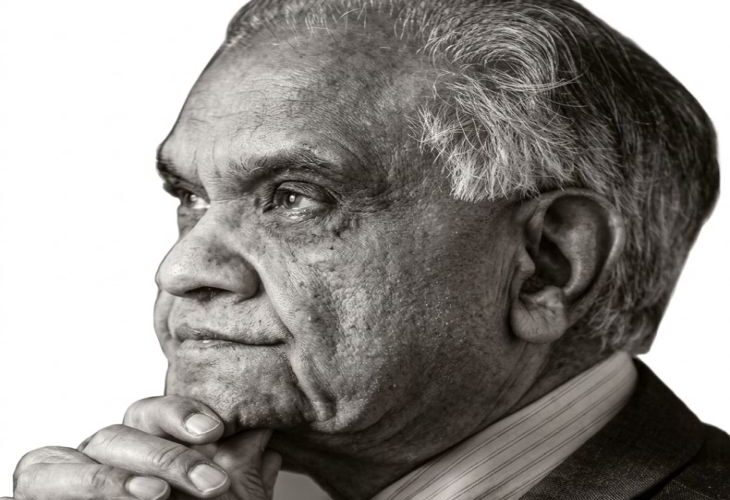
Dr. Ram Charan’s Column: The world belongs to leaders who never stop learning