- hindi news
- opinion
- Prof. Manoj Kumar Jha Column: Dignified Discourse Strengthens Democracy
5 days ago
- copy link
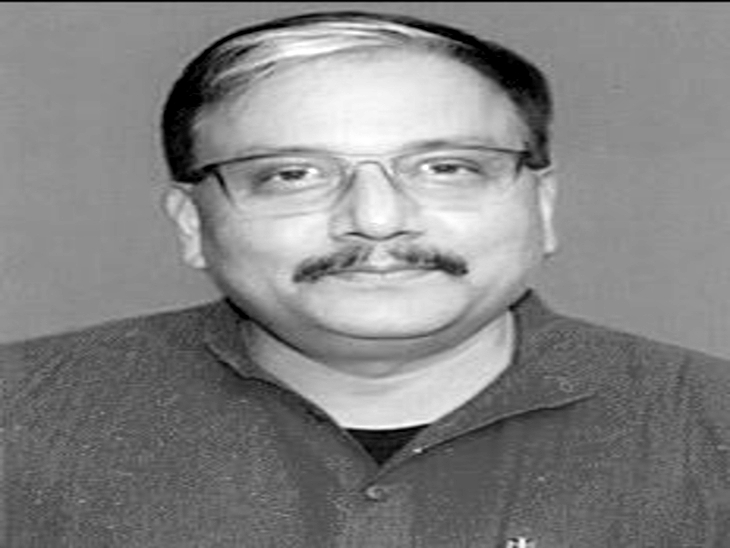
Pro. Manoj Kumar Jha, Rajya Sabha MP from RJD
The real identity of democracy lies not only in elections but also in the language in which it expresses dissent. The language of politics shapes the culture of the society. When there is restraint, respect and sensitivity in dialogue, democracy becomes stronger. But when the language is filled with insults, bitterness and excitement, then opposition starts turning into hostility.
This is the biggest concern in public life today. The Indian democratic tradition has always given importance to dignified dissent. Therefore, it is necessary that politics should maintain criticism, but should not abandon the dignity of dialogue and the dignity of the individual.
The deepest crisis facing Indian democracy today is not just of institutions but of the culture of dialogue. From Parliament to TV studios, from election forums to social media – everywhere restraint in language has decreased and aggression has increased. Adjectives have replaced thoughts, sarcasm has replaced logic and noise has replaced dialogue. And in this noise it seems as if democracy is no longer becoming a platform for discussion but for vulgar demonstration.
We should not forget that democracy is not just about elections and governments. It is essentially a continuous process of dialogue – where both agreement and disagreement have and should have a place. But communication is possible only when dignity and respect is maintained in the language.
Dissent is the natural strength of democracy; To turn it into an insult is to hurt the soul of democracy. There may be sharp opposition to some idea, harsh criticism of some policy may also be necessary, but attacking the dignity of a person is not a part of democratic values.
The irony of our times is that now the purpose of language has become less to explain and more to defeat. In public life, words no longer build bridges, they create ditches. A person having opposing views is immediately categorized as a traitor, anti-national, Godi, urban Naxal or any other category. This tendency not only limits political disagreement, it also weakens the possibilities for dialogue within society.
A great quality of Indian democracy has been its diversity. This country is the common home of many languages, religions, castes and cultures. In such a society, the language of communication should be naturally sensitive and inclusive. But in the last few years the tone of politics has become more divisive. The mentality of us versus them has also affected the language. Now the aim of dialogue is not to find a solution, but to prove the opponent morally bad.
Social media has deepened this crisis. It is true that social media democratized dialogue, but it has also weakened the dignity of dialogue. Now the ability of an idea to go viral has become more important than the seriousness of it. Provocative comments spread more quickly than restrained and sensible words.
Troll culture has turned disagreement into abuse. Now it is less important who argued better; What has become more important is who responded more aggressively. So the biggest question today is not who is in power, but in what language we are talking to each other. (These are the author’s own views)