14 hours ago
- copy link
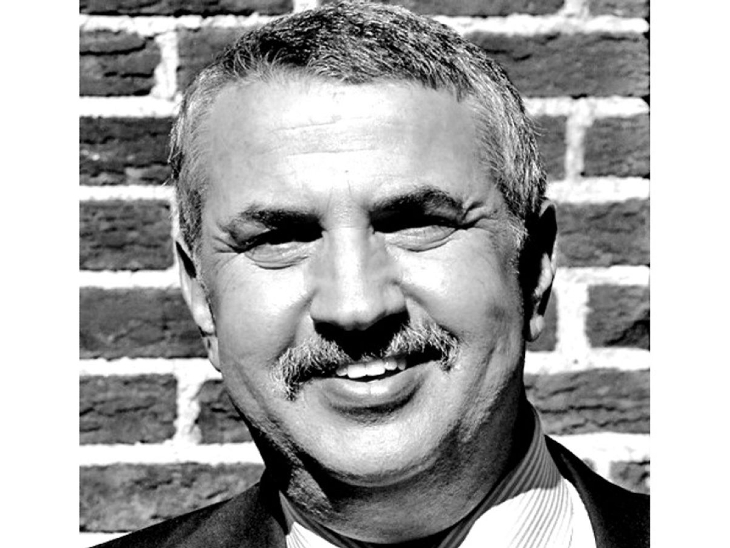
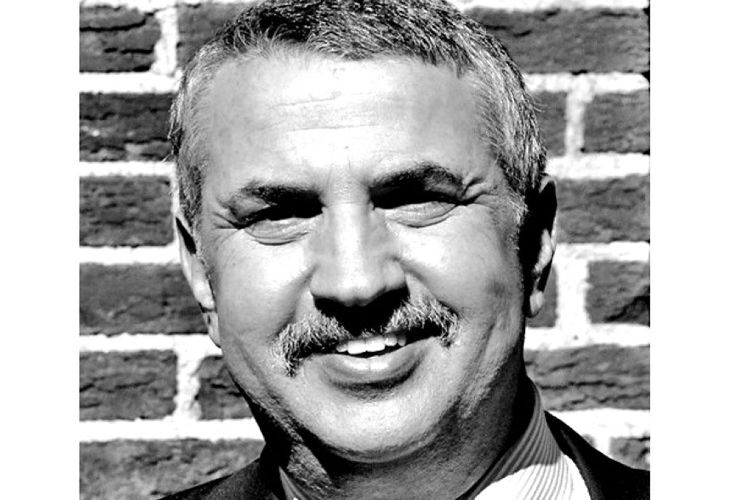
Thomas L. Friedman, three-time Pulitzer Prize winner and columnist for ‘The New York Times’
Surely there must have been something in the agreement between America and Iran that would have seemed familiar to the American real-estate businessman President. After all, it looks just like any real-estate bankruptcy application—a document of financial surrender. This is also an indication of the extent to which Iran had put Trump under pressure and how it completely defeated him.
You don’t need to be a foreign policy expert to understand what happened in this case. Yes, for this you are definitely expected to be knowledgeable about domestic politics. Trump prioritized crucial states like Pennsylvania, Georgia and Michigan at the expense of the interests of Israel and Arab countries, America’s allies in the war.
Trump knew that food inflation and high petrol prices caused by the war could cause huge losses for the Republican Party in the midterm elections. He had to immediately stop the war to bring prices down by November, because if Democrats gain control of the House and Senate, Trump will face endless investigations into how he used the presidency to financially benefit himself and his family. And possibly he could also be impeached.
In such a situation, Trump did what he always does: he abandoned all principles and allies and put his personal interests above all else. He also created an environment to put his Vice President JD Vance in a difficult situation. He said, if it is successful, I will take the credit for it. If it fails, I’ll blame the Jedi. JD, you must be careful. Hearing this, people laughed – but nervously, because everyone knew that it was both a joke and not a joke.
The deal has left Iran stronger than ever and all its neighbors more vulnerable to Tehran’s wishes. I would be far more sympathetic to Trump’s ambivalent approach to dealing with a problem as complex as Iran if he had even once shown a similar approach to former President Obama or acknowledged that he can no longer deliver for the Iranian people what he promised. Instead they simply pretend that everything they did was completely right.
The deal not only defers the question of the disposal of Iran’s bomb-grade uranium to future negotiations, but surprisingly it also leaves open the possibility that in the future Iran would be able to levy fees on ships that seek to pass through Hormuz. After dropping billions of dollars of bombs on Iran, Steve Witkoff and Jared Kushner have been able to secure 60 days of duty-free transit from Tehran through Hormuz. Oil tanker captains, have your credit cards ready.
The ceasefire agreement is silent on curbing Iran’s long-range missiles and limiting support for its allies who seek to undermine the governments of Lebanon and Iraq. It also links 60 days of talks on Iran’s nuclear future with the condition that Israel halt its military operations against Hezbollah in Lebanon.
If Barack Obama had ever made such an agreement, Fox News would have interrupted its regular broadcast service to condemn it. You have to ask the question, how could Trump and Netanyahu miscalculate so much that they thought that a regime in power since 1979 could be toppled only through aerial bombardment? For both, there is only one answer: because they have surrounded themselves with armies of sycophants and expelled from their parties those who could challenge them.
How could Trump and Netanyahu miscalculate so much that they thought a regime in power since 1979 could be toppled only through aerial bombardment? The answer is because he has surrounded himself with an army of sycophants. (from The New York Times)